


Black and white photograph of a Tiree thatched house.
A Tiree thatched house.


Black and white photograph of a Tiree thatched house.
A Tiree thatched house.
Black and white photograph of Ceann a` Bhara.
Ceann a` Bhara.

Black and white photograph of a coal puffer on Balephetrish beach.
Puffer discharging coal into horse-drawn carts on Balephetrish beach.

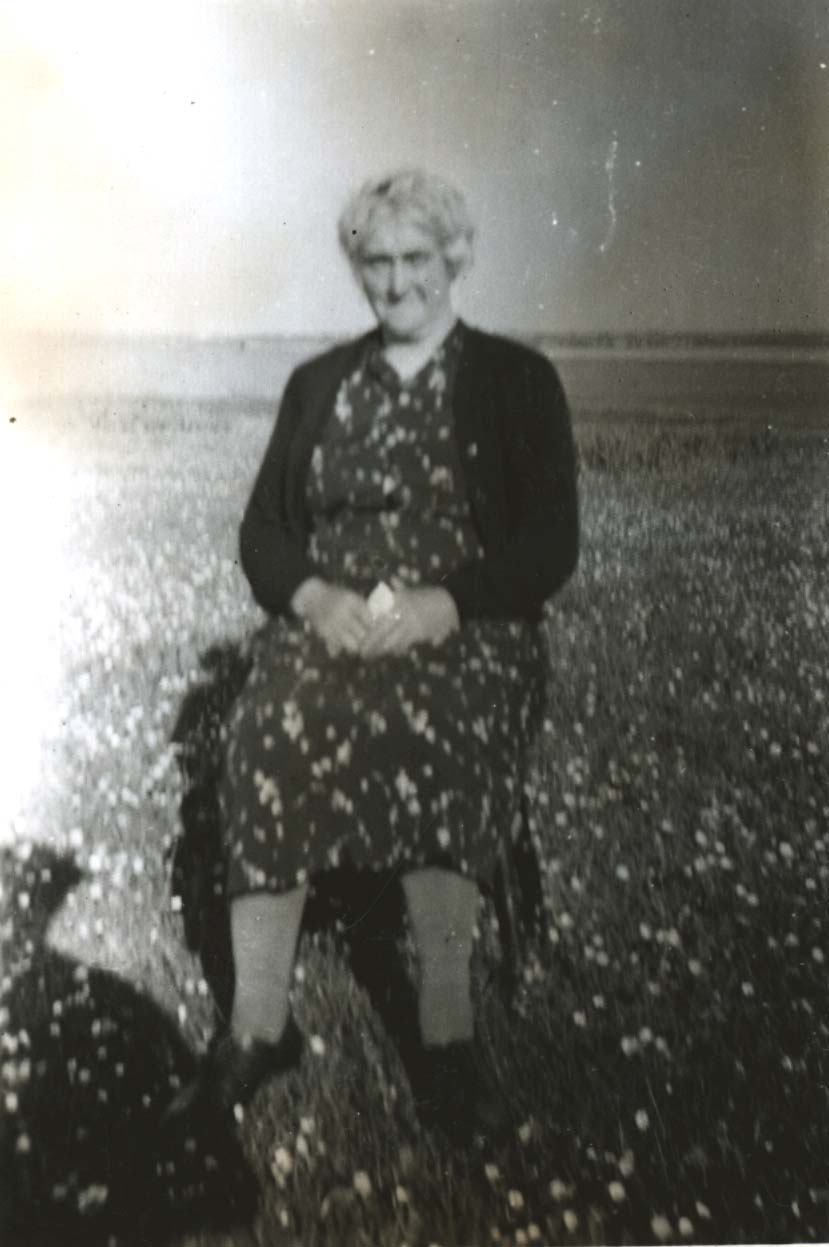
Black and white photograph of Margaret MacLean nee Munn of Kilmoluaig.
Margaret Munn, wife of Hector MacLean of Kilmoluaig and mother of John, Murdoch and Donald Archie, taken in the 1930s or 1940s.
Black and white photograph of John MacLean of Kilmoluaig.
John MacLean (Iain Eachainn) of Kilmoluaig, haymaking in the early 1940s.

Black and white photograph of a Tiree Association Sports Day at Cornaigmore School.
Tiree Association Sports Day at Cornaigmore School in the late 1940s early 1950s. Note the anemometer of the weather station on the left.

Black and white photograph of a white mare with her foal.
A white mare with her black foal owned by John MacLean of Lochside, Kilmoluaig in the 1940s.

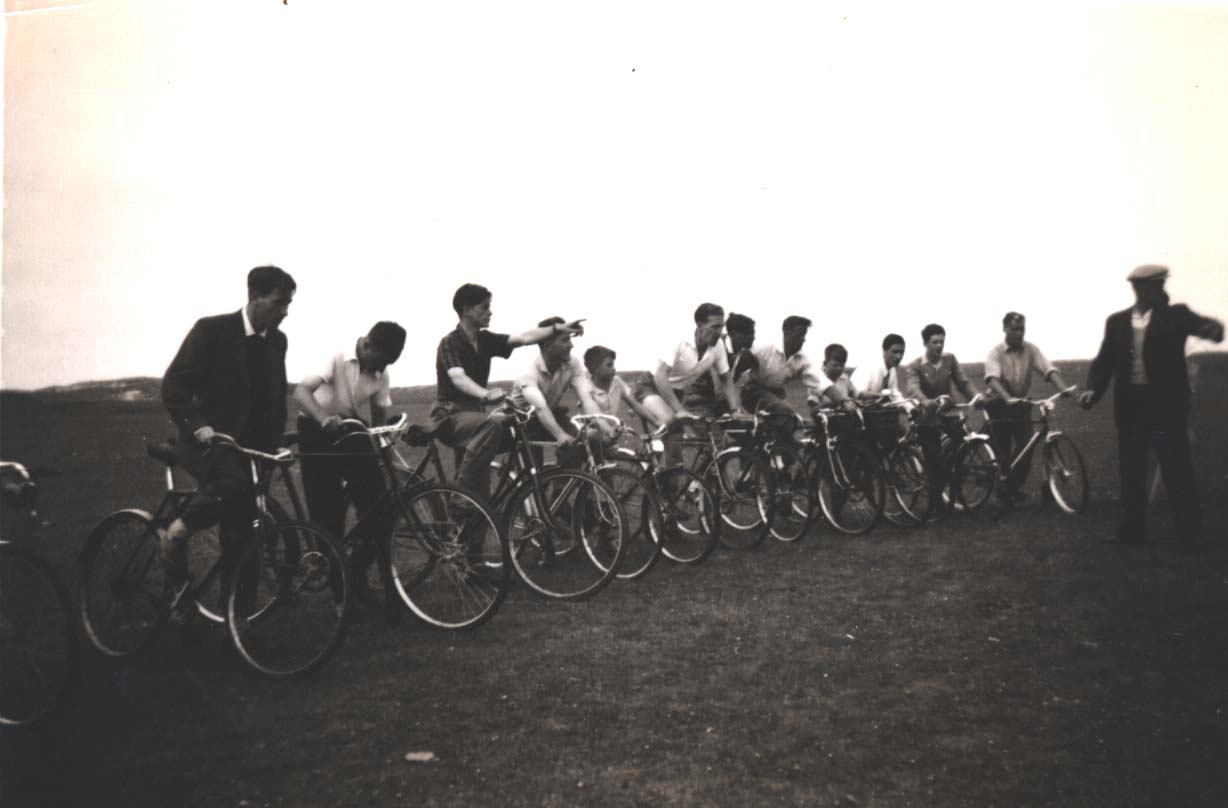
Black and white photograph of a cycle race at a Tiree Association Sports Day at Cornaigmore School.
Cycle race at a Tiree Association Sports Day at Cornaigmore School in the late 1940s early 1950s.
Account by George Holleyman of his life on Tiree 1941-43.
Account by amateur archaeologist George Holleyman of his time in the RAF Service Police on Tiree from September 1941 to June 1943
Black and white photograph of Scarinish harbour, pre-World War II.
Scarinish harbour. The building in the background was originally built as a church, used intermittently as a prison and latterly as a store by the owners of the Mary Stewart. It was pulled down to make roads during World War II.
