Laser print of a black and white photograph of two unknown children outside Heylipol Cottage in the 1920s.
Two unknown children outside Heylipol Cottage. (From Myra Lamont`s photograph album of the 1920s)


Laser print of a black and white photograph of two unknown children outside Heylipol Cottage in the 1920s.
Two unknown children outside Heylipol Cottage. (From Myra Lamont`s photograph album of the 1920s)
Laser print of a black and white photograph of two men cutting thistles at Heylipol.
John Hume, manager of Heylipol Farm, cutting thistles at Heylipol with a horse-drawn cutter. (From Myra Lamont`s photograph album of the 1920s)

Laser print of a black and white photograph of cattle in Loch an Eilein in the 1920s.
Cattle in Loch an Eilein. (From Myra Lamont`s photograph album of the 1920s.)

Laser print of a black and white photograph of Scarinish harbour in the 1920s.
The `Mary Stewart` in Scarinish harbour. (From Myra Lamont`s photograph album of the 1920s.)

Laser print of a black and white photograph of herring packers at Oban pier in the 1920s.
`Packing herring at Oban pier.` (From Myra Lamont`s photograph album of the 1920s.)

Laser print of a black and white photograph of Mary and Elizabeth Hume on the shores at Kennavara in the 1920s.
Mary Hume (front left) and her sister Elizabeth (back right), daughters of John Hume, manager of Heylipol Farm, ‘on the shores at Kennavara’. (From Myra Lamont’s photograph album of the 1920s.)
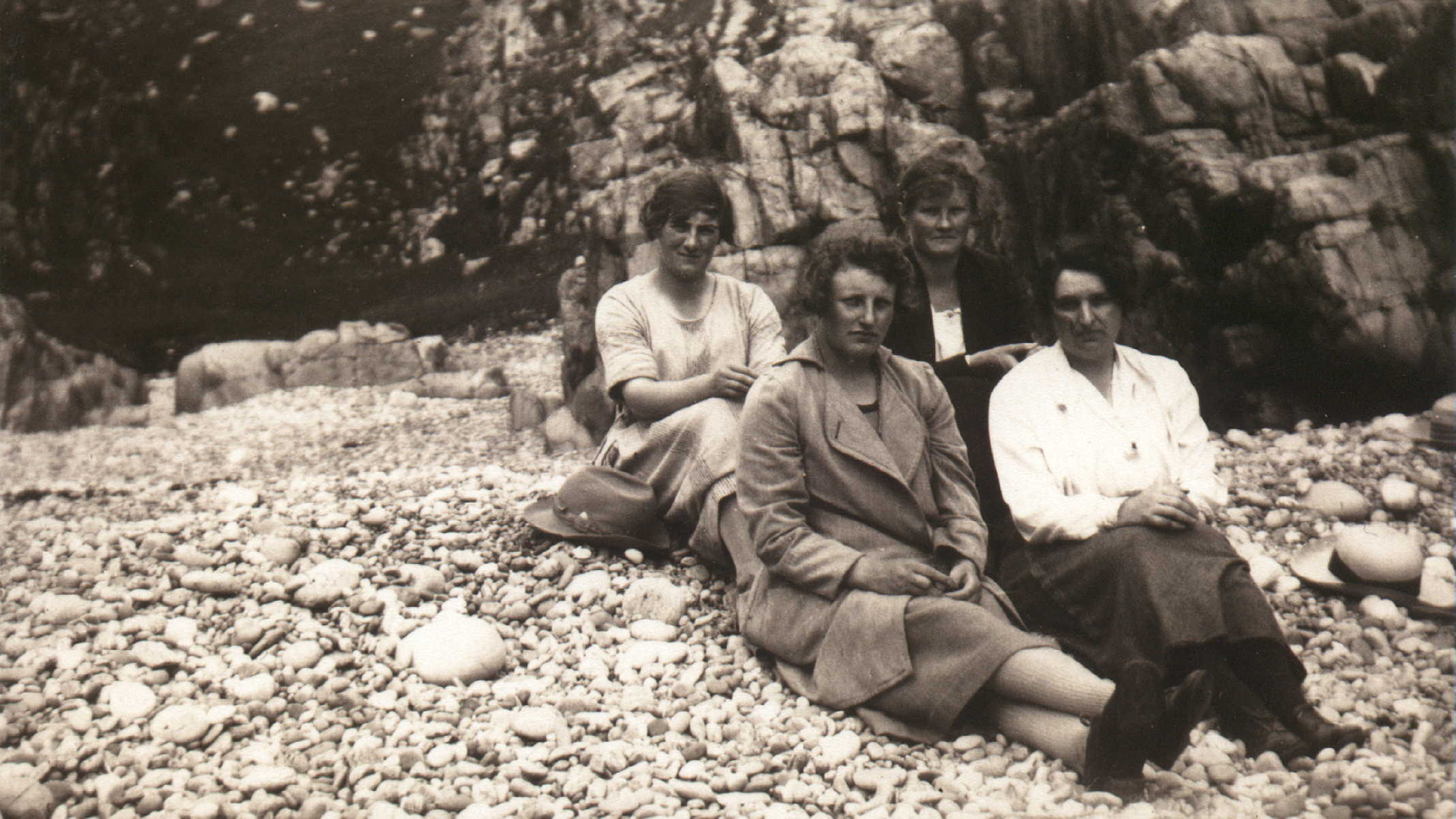
Laser print of a black and white photograph of Elizabeth and Mary Hume on Kennavara in the 1920s.
On the top of Kennavara. Elizabeth Hume (sitting on rock at the back)) and her sister Mary (extreme right), daughters of John Hume, manager of Heylipol Farm. (From Myra Lamont’s photograph album of the 1920s.)

Laser print of a black and white photograph of a Tiree thatched house in the 1920s.
`Typical Tiree cottage.` (From Myra Lamont’s photograph album of the 1920s.)

The old mill at Cornaig
Photograph of the old mill at Cornaig.

In the second half of the 18th century landlords started investing in mills with vertical water wheels which were more efficient than horizontal mills and generated a greater income. The Cornaig mill was built by the 5th Duke of Argyll in 1803.
Although the water wheel was vertical, gears inside the mill turned the upper horizontal ‘runner’ stone over the stationary lower or ‘nether stone. These were held together by a wooden spindle which was greased with beef suet.
The grinding surfaces of the stones were ‘dressed’ by the miller every year into an elaborate pattern of channels. Grain was fed in the centre of the upper stone with the miller controlling the distance between the stones, and consequently the fineness of the meal, with a number of small wedges.
Black and white postcard of the old mill at Cornaig.
The old mill at Cornaig in the 1920s when it was still operating.
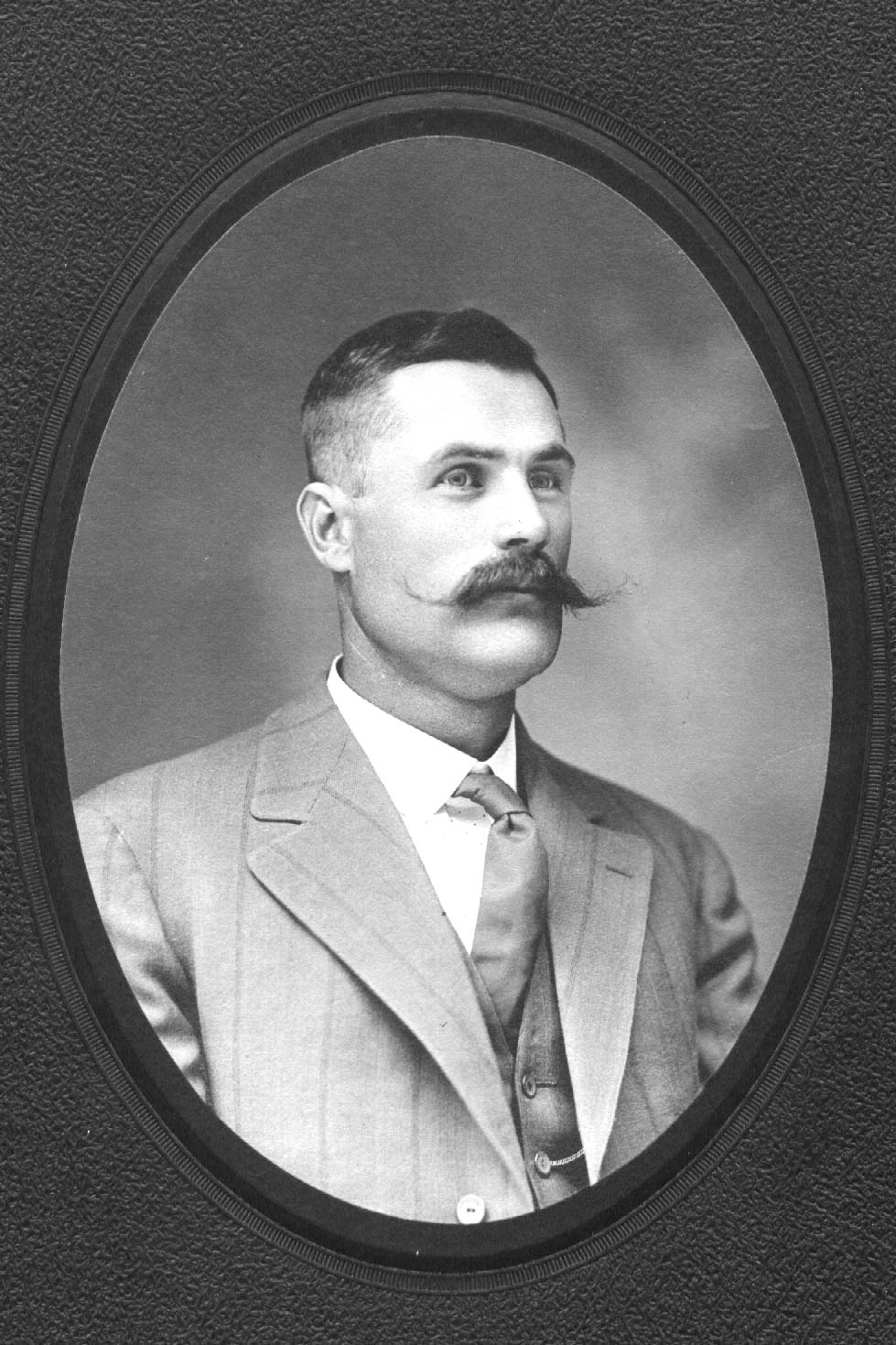
Black and white photograph of Lachie Dan MacCallum of Pictou Island, Nova Scotia.
Lachie Dan MacCallum (1881-1967) of Pictou Island, Nova Scotia. He was the great-grandson of John MacCallum, the first miller at Cornaig.