Township: cornaigbeg

1998.176.20

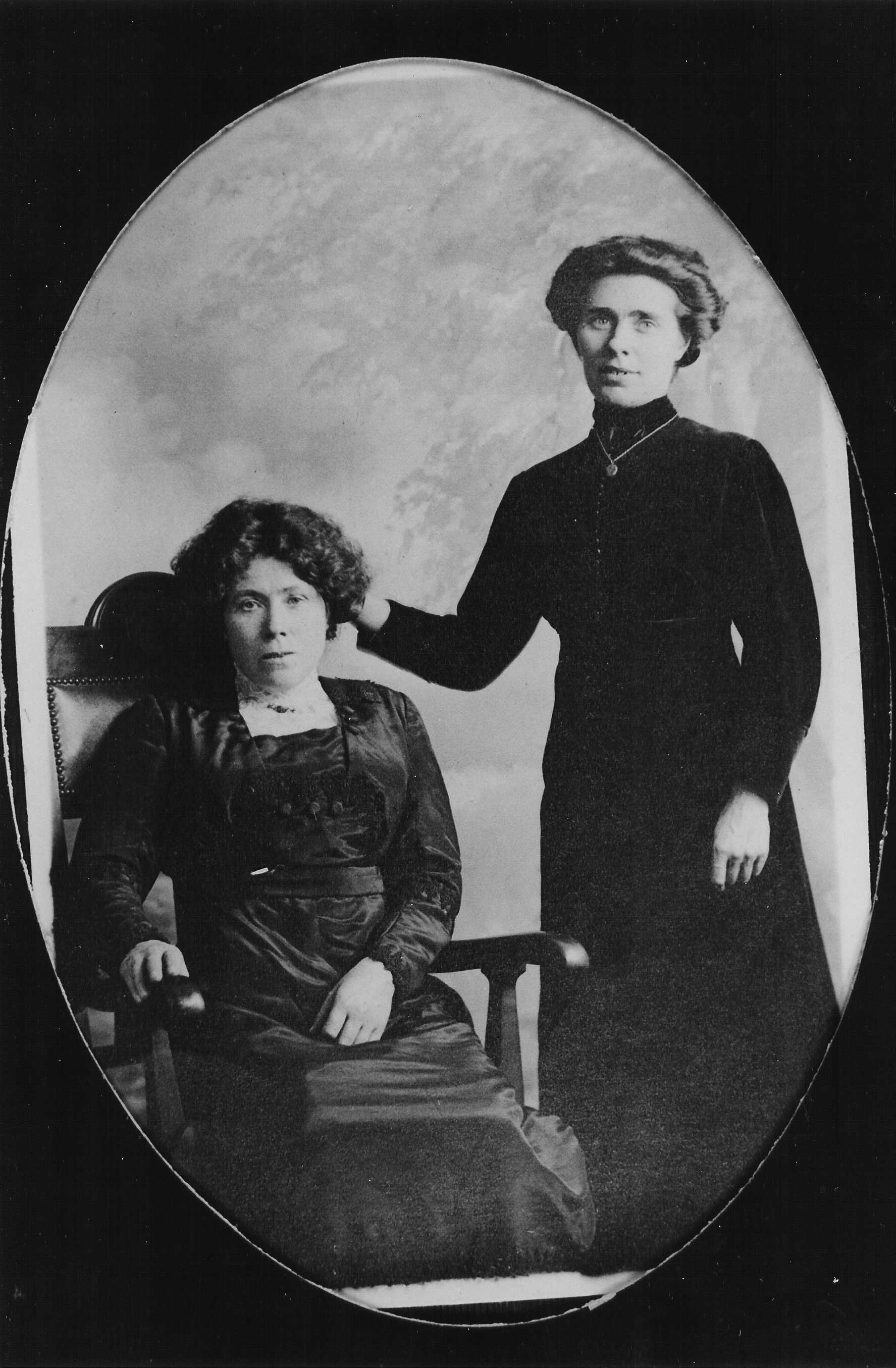
Black and white photograph of Mary MacEachern of Cornaigbeg.

Mary MacEachern (on the left), housekeeper to Lord Weir, pictured with other staff in the grounds of Montgrennan in Kilwinning, Ayrshire. Mary was the daughter of Archie MacEachern, the blacksmith at Creag Mhor, Cornaigbeg.

r27.jpg

1998.176.21

Black and white photograph of Hugh MacEachern of Cornaigbeg.

Hugh MacEachern, the son of Archie MacEachern, the blacksmith at Creag Mhor, Cornaigbeg, and brother of Mary (see R26). Hugh was the last blacksmith in Cornaigbeg; he died in 1981.

r27.jpg

1998.176.22

Blacksmith Hugh MacEachern

Photograph of blacksmith Hugh MacEachern outside the smiddy at Cornaigbeg.

r29.jpg

Courtesy of Mrs Mairi Brady

Hugh MacEachern blacksmith standing outside the smiddy at Cornaigbeg. Hugh was the last blacksmith to work there.

Black and white photograph of Hugh MacEachern of Cornaigbeg.

Hugh MacEachern, outside the smiddy at Creag Mhor, Cornaigbeg. Hugh was the last blacksmith in Cornaigbeg; he died in 1981.

1998.176.23

Black and white photograph of cousins Kate MacLean and Mary MacEachern.

Cousins Kate MacLean (at back) and Mary MacEachern (2nd right) with staff at Montgrennan in Kilwinning, Ayrshire. Kate was cook and Mary housekeeper to Lord Weir.

r30.jpg

1998.176.25

Black and white photograph of Alex and Janet Wilson`s wedding.

The wedding of Alex Wilson and Janet MacEachern of Cornaigbeg. L-R: Bridesmaid Mary MacEachern, daughter of Archie MacEachern, the blacksmith at Cornaigbeg; groom Alex Wilson; bride Janet MacEachern, daughter of blacksmith John MacEachern, Archie`s brother; best man Jim MacDermont.

r32.jpg

1998.176.5

Photograph of Flora MacEachern of Cornaigbeg in a swimming costume in the 1930s.

r11.jpg

Courtesy of Mrs Mairi Brady

Flora MacEachern, known as Fileag, was the daughter of the blacksmith at Creag Mhòr in Cornaigbeg. She was photographed in the 1930s in a swimming costume that was typical of the Victorian era, covering the arms and legs and accessorised with a fancy cap.

In the 19th century bathing in the sea was considered to be therapeutic. Although costumes were quite modest, it was common for men to swim naked when away from women. This practice was banned in Britain in 1860; bathing was segregated until 1901.

In the early 20th century, bathing wear started to shrink, first exposing the arms then the thighs; collars gradually receded and necklines plunged. New fabrics allowed for more comfortable and practical swimwear and swimming became the leisure pursuit it is today.