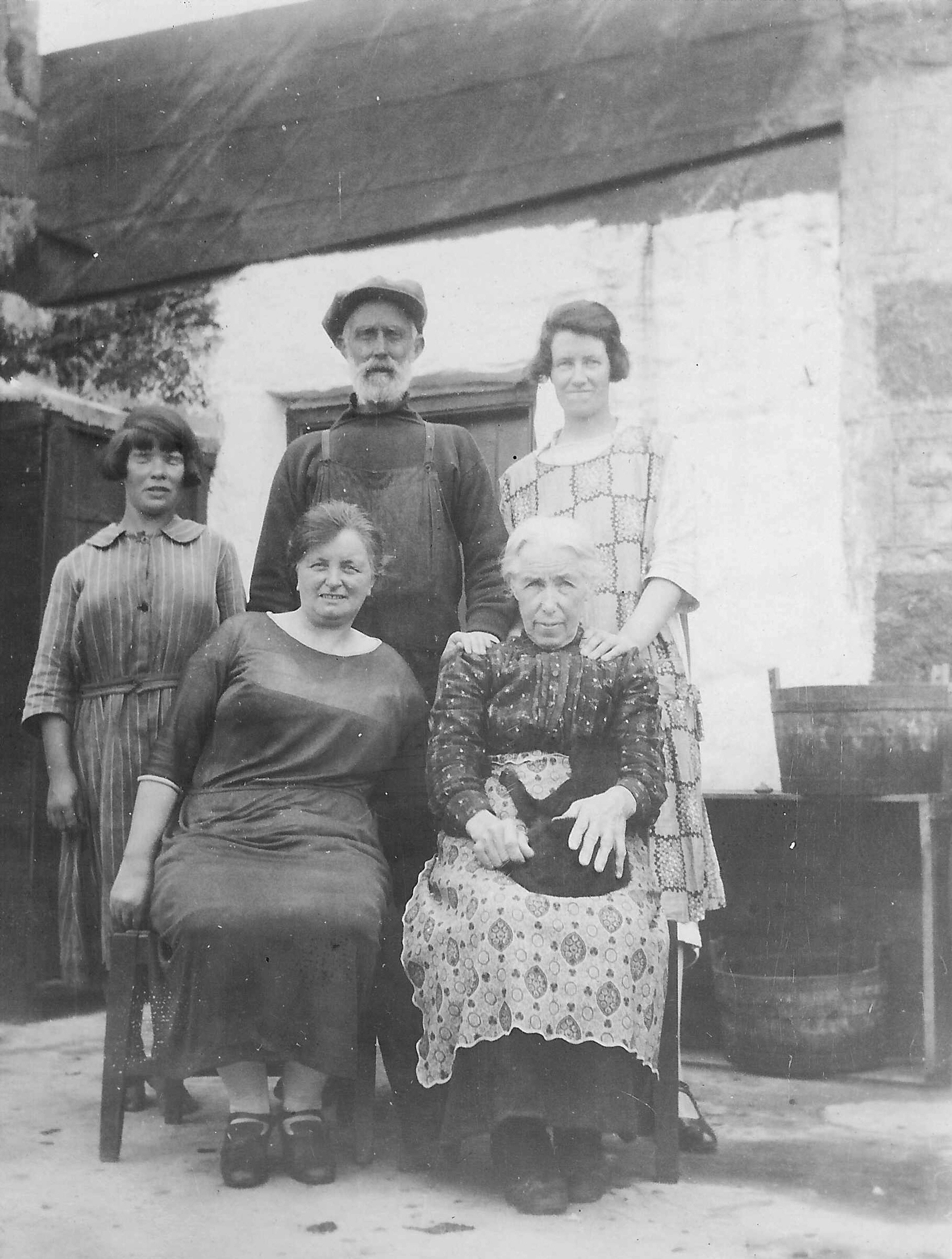
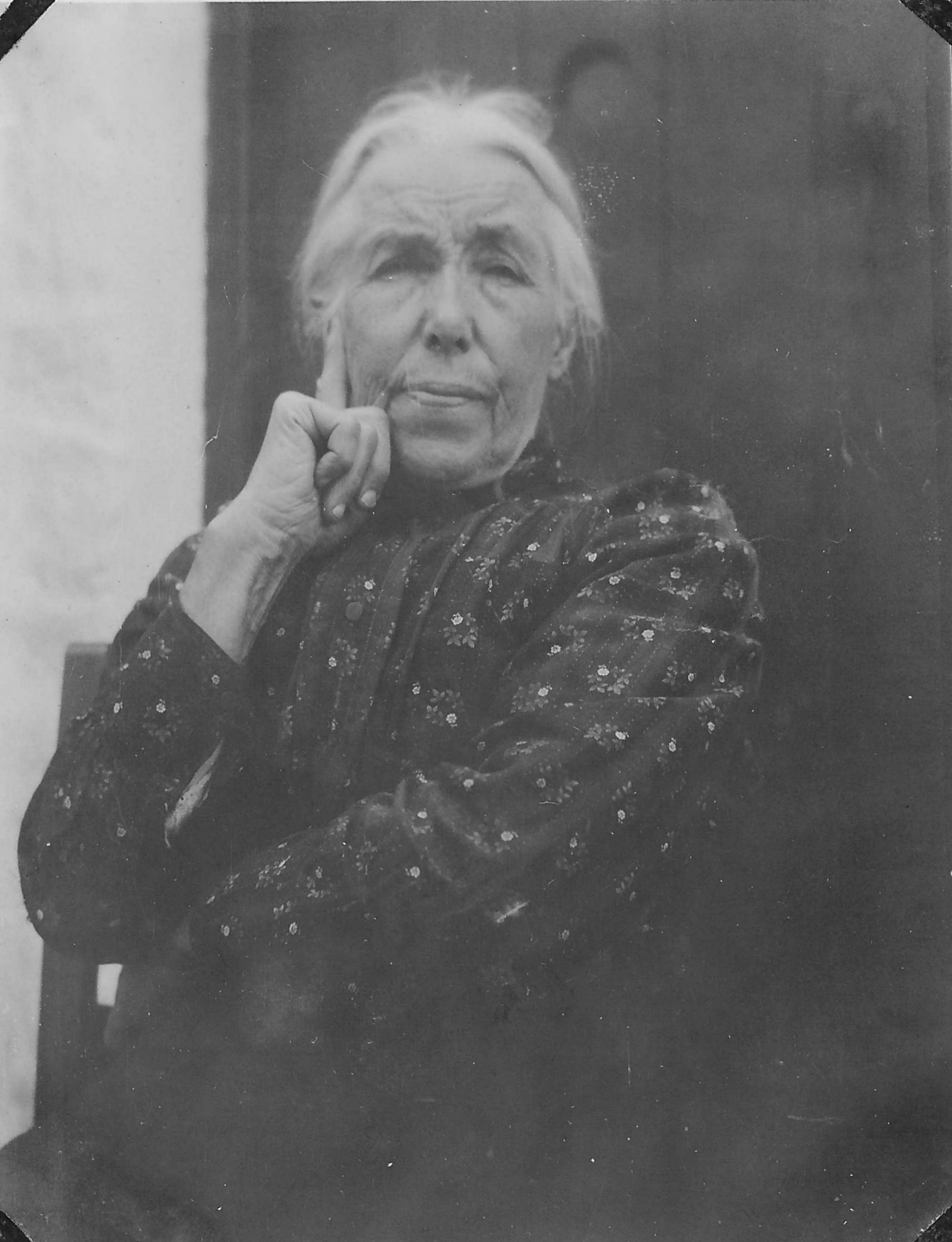
The Agricultural Show at Scarinish in 1927
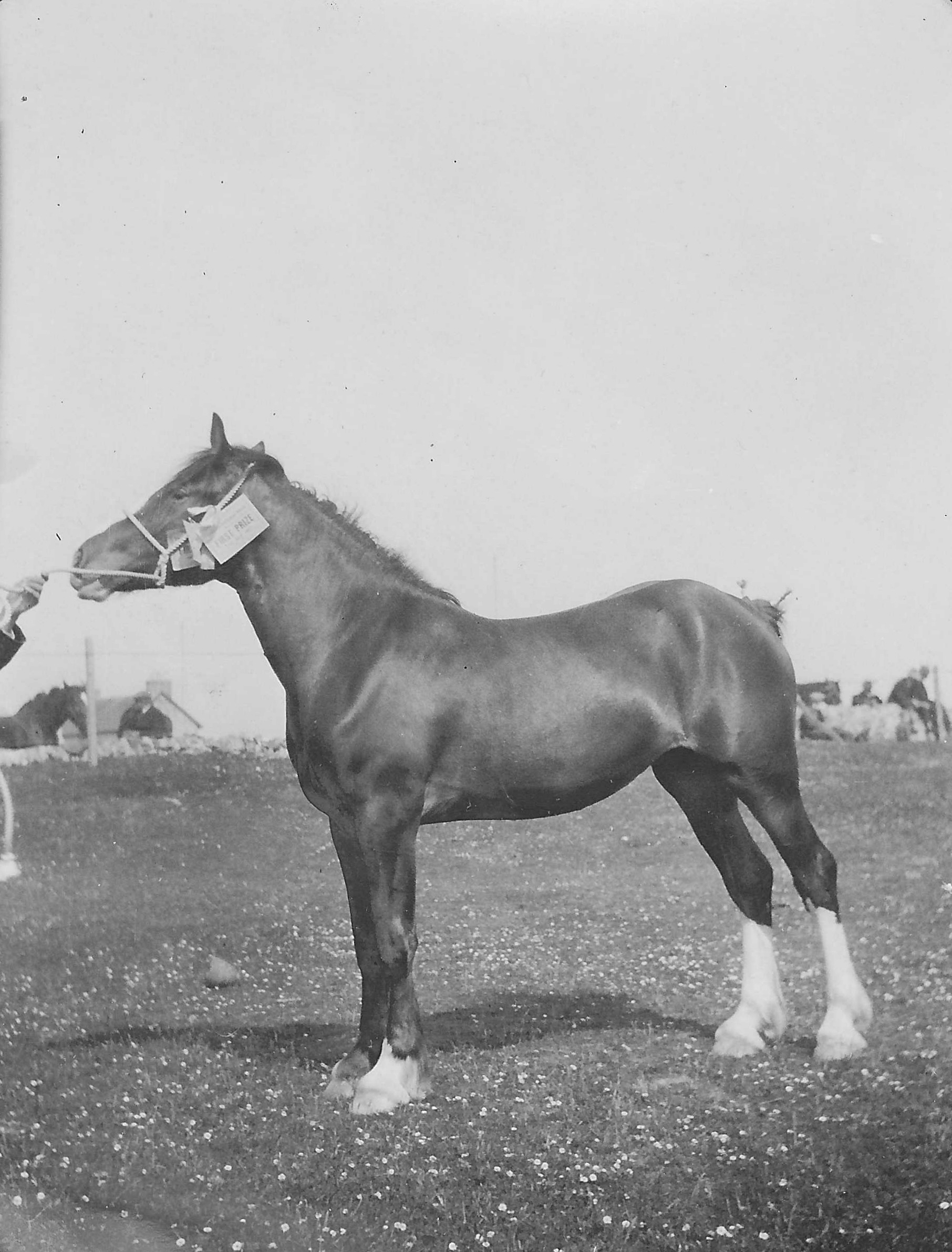
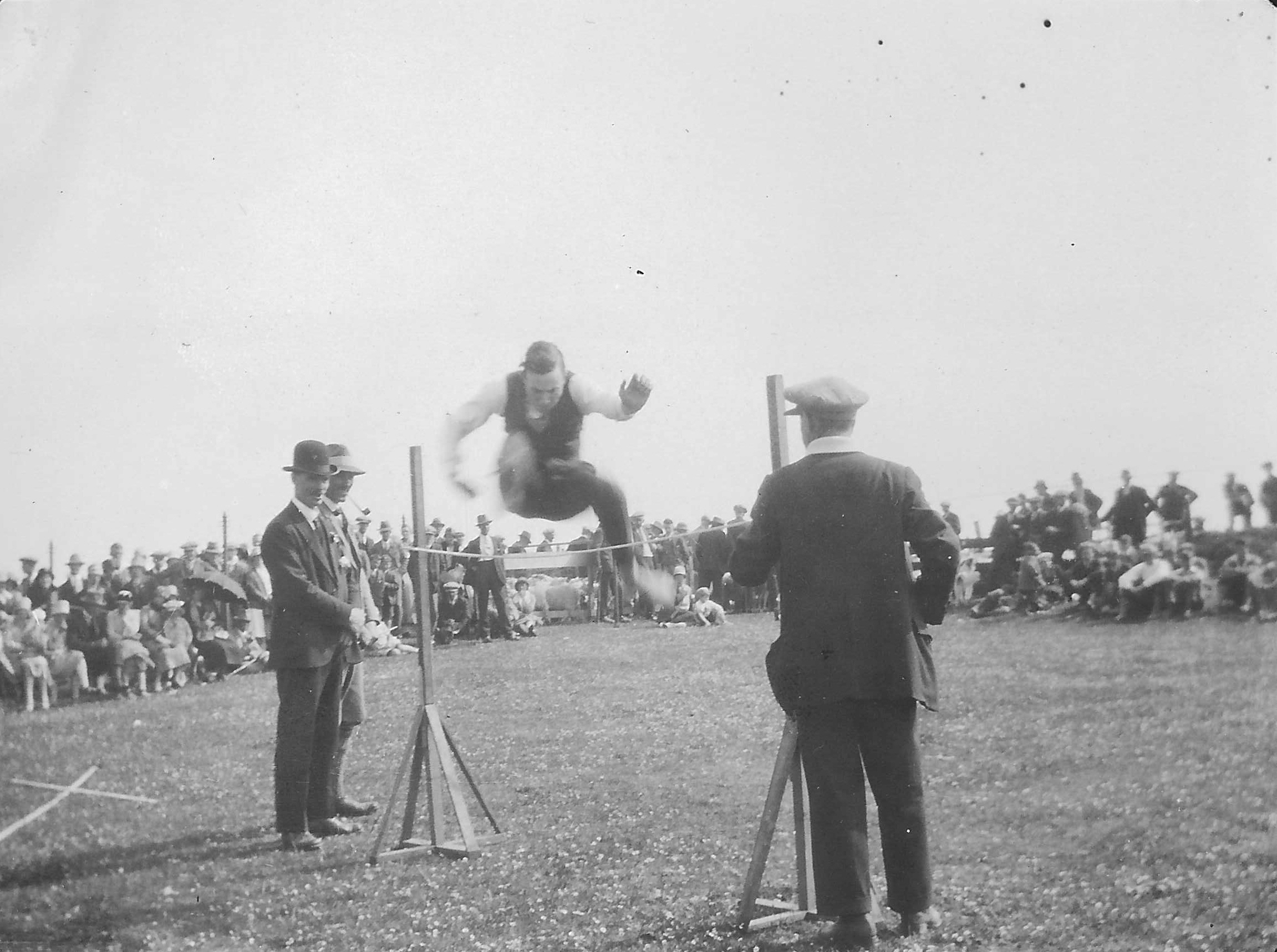
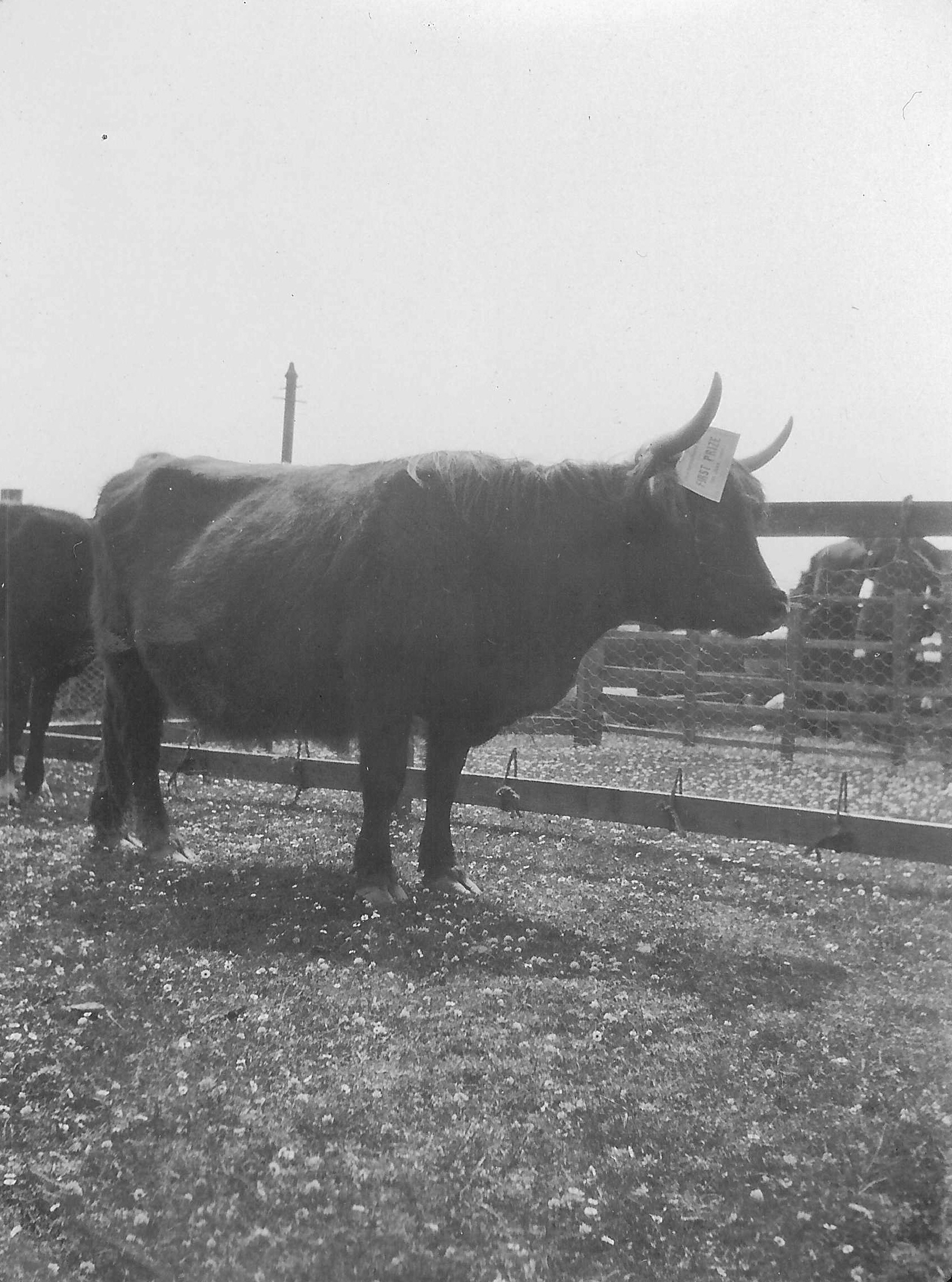
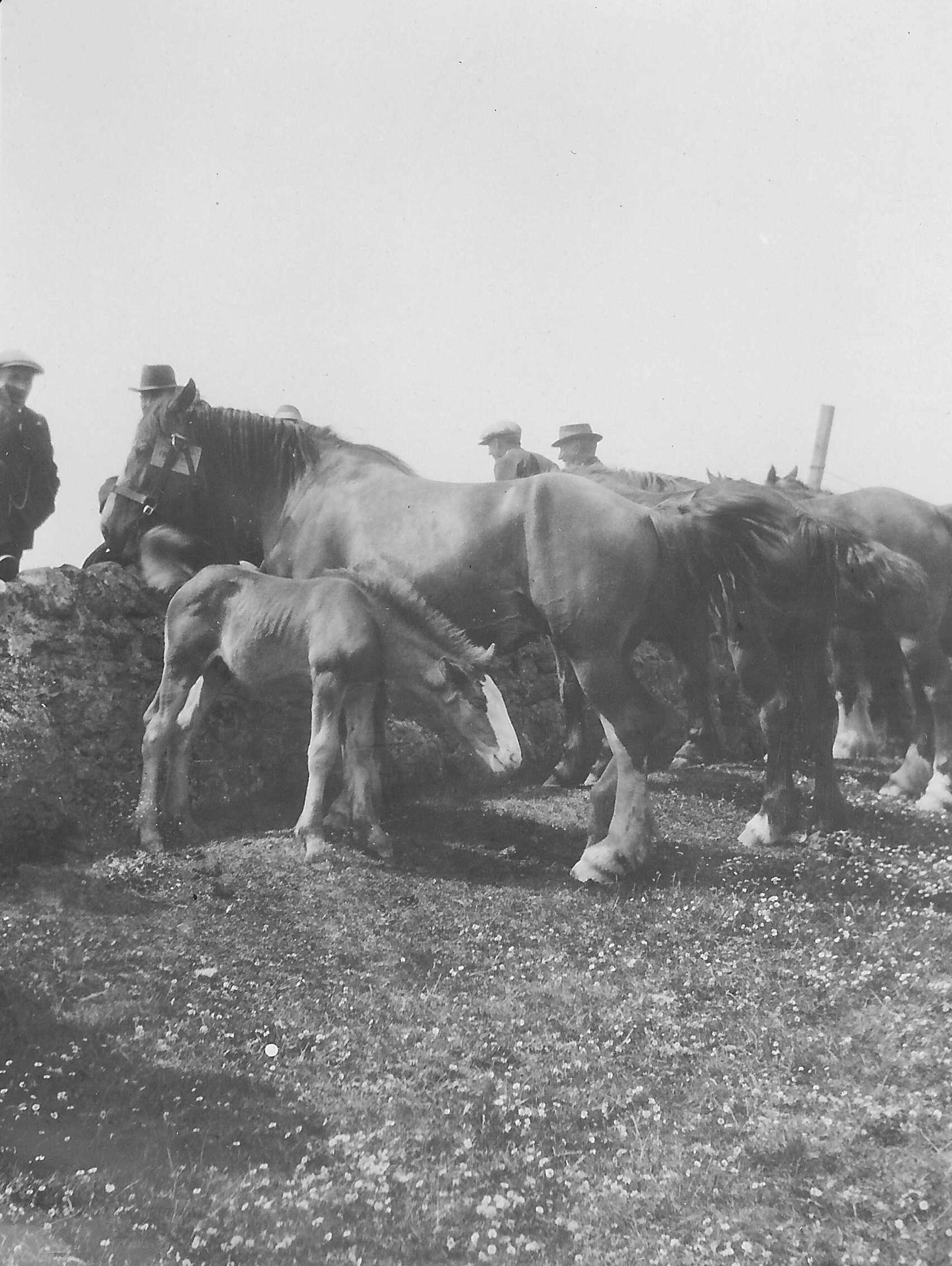
Photograph of the 1927 Agricultural Show at Scarinish.

Courtesy of Mr Ronnie MacLean
Prior to World War II, the Show was held at the school in Scarinish. It was run by a committee comprising of one crofter from each township. The committee met each March to decide on the judges who came from Tobermory, Bunessan, Oban, Kerrera and sometimes as far afield as Stirling.
Crofters would get up at five or six in the morning to walk their animals to the Show venue. The horses were judged in a roped-off area within the school grounds, the cattle and sheep in specially erected pens, ducks and hens in coops at the back of the school.
Home Industry entries, such as butter, cheese, eggs, sewing and knitting, were displayed inside the school itself. To sustain the competitors and spectators, teas were served throughout the day in the marquee. Water for the teas was boiled on an open fire built against the playground wall.
Black and white photograph of the 1927 agricultural show held in Scarinish.
The 1927 Tiree Show with Scarinish School in the background, from a small photograph album from Silversands in Vaul titled 1927.
The Tiree Agricultural Show was started in the 1880s by Tom Barr, the tenant of Balephetrish farm, to encourage the local crofters to improve their breed of horses. Around 1900 a stirk would fetch £4 to £5 whereas a good year-old filly foal would fetch £25 to £30.
Prior to World War II, the Show was held at the school in Scarinish. It was run by a committee comprising of one crofter from each township. The committee which met each March to select judges, all of whom came from outside the island.
The horses were judged in a roped-off area within the school grounds, the cattle and sheep in specially erected pens, ducks and hens in coops at the back of the school and inside the school itself Home Industry entries, such as butter, cheese, eggs, knitting and sewing. Children could enter drawing and painting competitions.
To sustain the competitors and spectators, teas were served throughout the day in the marquee. Water for the teas was boiled on an open fire built against the playground wall.
After the judging, there were piping and dancing competitions and field sports. The piping competition was confined to locals and was often won by John MacLean of the Brae, Cornaigbeg. The sports included running, the high jump and long jump. There was a greasy pole competition, the prize for which was a bottle of whiskey, unusual on a temperance island. It was often won by John Bunting (Willie’s brother). The last event was a fiercely contested tug-of-war between the islanders and visitors.
After the sports, the prizes were given out from the shelter in the playground. The next day, the committee went out for a meal together.
(Information from Donald MacIntyre, Gott)